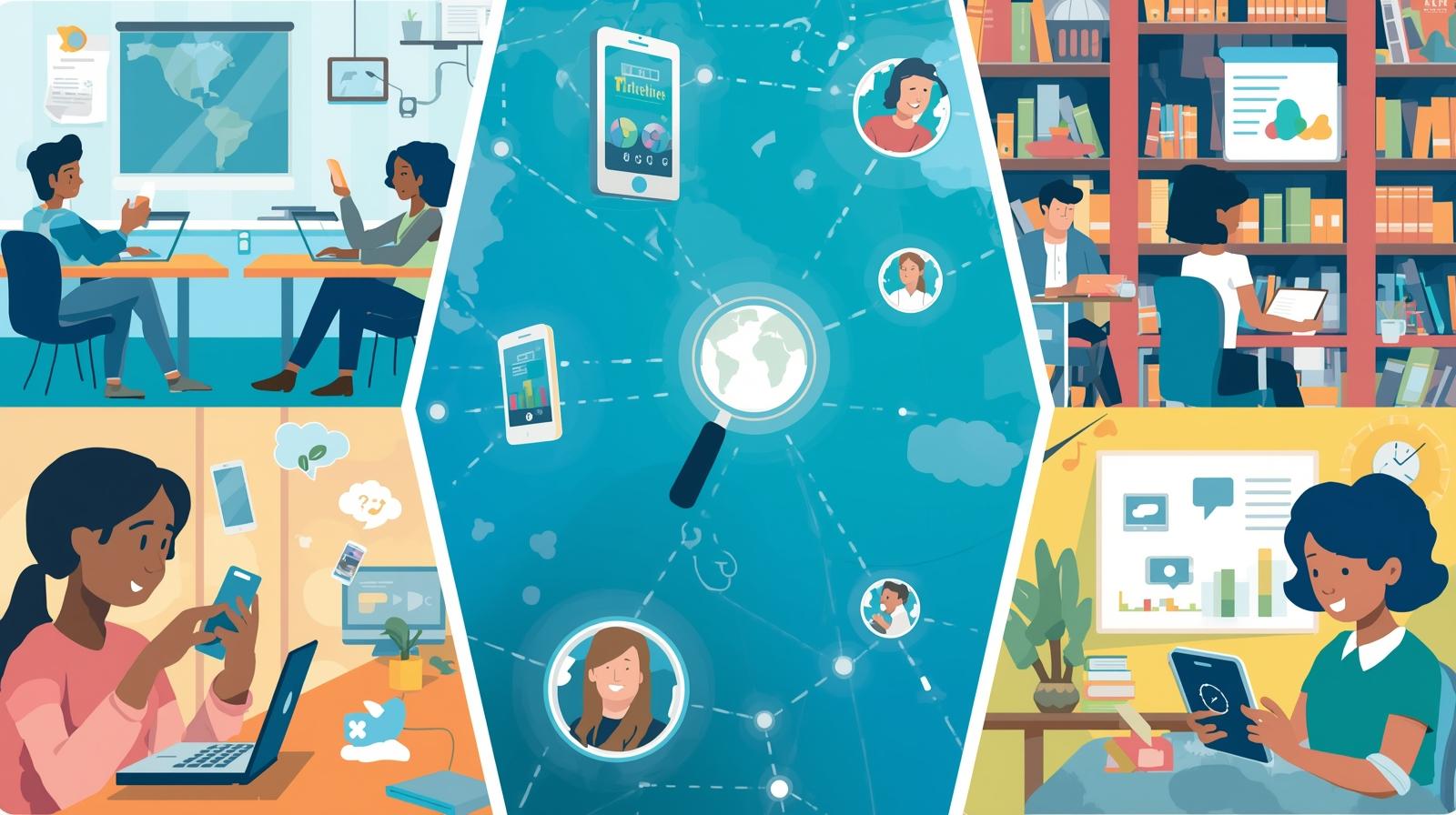
Introduction: The Digital Shift in Education
In today’s interconnected world, mobile devices have become an essential part of students’ lives. Smartphones, tablets, and other portable gadgets are no longer used only for communication and entertainment; they are now powerful tools for education. The global rise of mobile learning has created new opportunities, transformed classrooms, and given students access to knowledge like never before.
Accessibility and Global Reach of Education
One of the biggest changes mobile devices have brought is accessibility. Students in remote or underdeveloped regions can now access online resources, e-books, and digital courses directly from their phones. This reduces barriers related to expensive textbooks, physical libraries, or even traditional classrooms. Mobile technology bridges the gap between students in developed countries and those in rural areas, providing more equal opportunities for learning.
Key changes include:
- Free access to online libraries and open-source educational platforms.
- Availability of global e-learning platforms such as Coursera, Khan Academy, and Udemy.
- Opportunities for students to learn foreign languages or specialized skills through apps.
Interactive and Personalized Learning Experiences
Unlike traditional teaching methods, mobile devices allow students to engage with interactive content. Gamified apps, simulations, and quizzes make learning more dynamic and enjoyable. Mobile platforms also support adaptive learning, which personalizes lessons according to the student’s pace, strengths, and weaknesses. This shift has transformed passive learning into active participation, encouraging students to become more independent learners.
Some notable changes include:
- Personalized apps that track student progress and suggest tailored lessons.
- Use of augmented reality (AR) and virtual reality (VR) for immersive learning experiences.
- Increased motivation due to game-like features and reward systems in educational apps.
Collaboration and Communication in Learning
Mobile devices have also changed the way students collaborate with teachers and peers. Instant messaging apps, online discussion boards, and cloud-based platforms allow real-time communication, making group work and teacher feedback more effective. Instead of waiting for classroom sessions, students can now share ideas, solve problems, and work on projects anytime, anywhere.
Key points of change include:
- Easier access to group projects via collaborative tools like Google Classroom and Microsoft Teams.
- Direct communication with instructors through mobile apps and online chat platforms.
- Building global connections with students from other countries through online discussions.
Challenges of Mobile Learning
Despite the benefits, there are also challenges. Over-reliance on mobile devices can lead to distractions, reduced focus, and even health issues such as eye strain. Additionally, not every student has equal access to reliable internet or modern devices, which creates a digital divide. Teachers also face difficulties adapting traditional methods to mobile platforms, requiring new training and resources.
Conclusion: The Future of Learning with Mobile Devices
Mobile devices have undoubtedly transformed global education, making it more accessible, engaging, and collaborative. While challenges remain, the benefits of mobile learning far outweigh the drawbacks. As technology continues to advance, mobile devices will play an even bigger role in shaping the future of education, ensuring that students everywhere can learn, connect, and grow in ways that were once unimaginable.